



Wearable vs Stationary Red Light Devices: Which is better?
I love a handsfree RLT mask, but does this format impact its efficacy?
- 01What Is Red Light Therapy?
- 02Panels vs. Beds vs. Wearables: What is the difference?
- 03Which type of red light therapy is most effective?
- 04What to consider when buying a red light device
- 05What are the benefits and drawbacks of RLT panels?
- 06What are the benefits and drawbacks of RLT beds?
- 07What are the benefits and drawbacks of RLT wearables?
- 08How to incorporate red light therapy into your wellness routine
- 09What are the downsides of RLT?
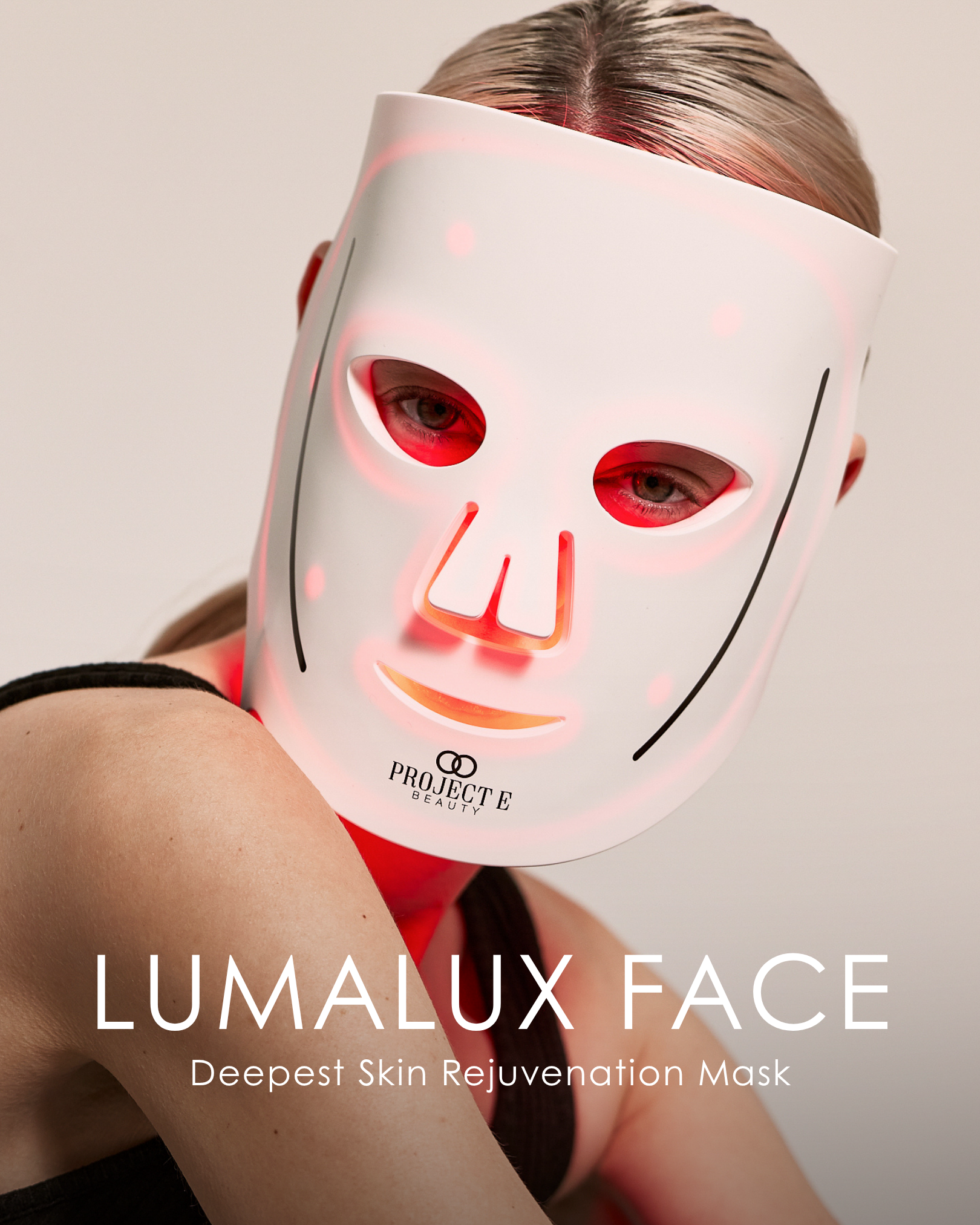
Red Light Therapy (RLT) is a popular beauty and wellness treatment that can be carried out in professional clinics, or at home using FDA-certified devices, such as Project E Beauty’sLumaLux Pro LED Red Light Therapy Mask, LumaLux Neck and Dec Mask, LumaLux Face+, Alora Age Renewal LED Panel and LumaLux Dome.
RLT devices come in different forms to suit the target area, and your needs. However, the two most distinct categories are: wearable red light therapy devices and stationary red light therapy tools. But, what is the difference? Project E Beauty spoke to The Skin Investment Clinic founder, Dr. Faraz Imran, to find out.
What is red light therapy?
Red light therapy (RLT), formally known as photobiomodulation, uses “low-level red and near-infrared light, typically around 630-660 nm and 800-900 nm, to influence cell signalling without ultraviolet radiation”, explains the Consultant Dermatologist.
These wavelengths are absorbed by the skin’s cells, which stimulates cellular energy production (ATP), and kickstarts the body’s natural healing processes.
Studies claim RLT benefits include improved skin health, as this non-invasive treatment stimulates collagen production, balances the skin tone, texture and firmness. The benefits of RLT can also span from reduced inflammation, wound healing, sleep support, and headache relief, to improved mental health conditions, such as depression, anxiety and SAD.
Panels vs Beds vs Wearables: What is the difference?

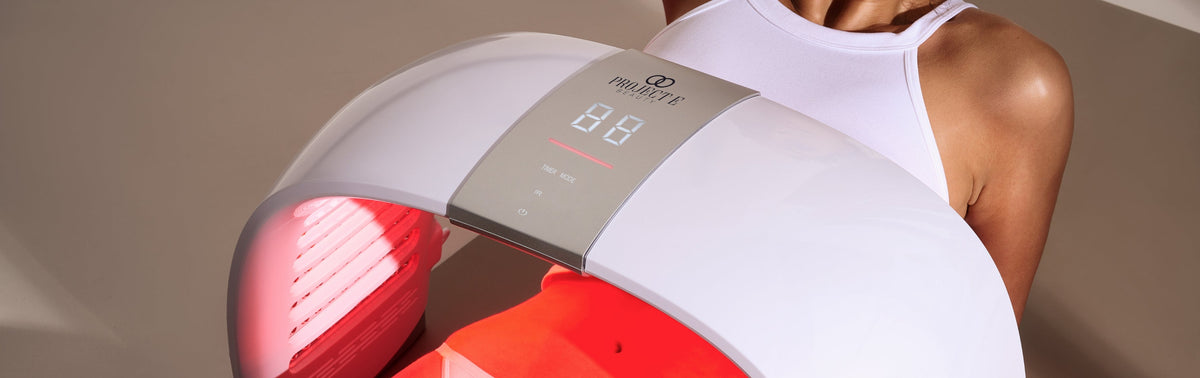
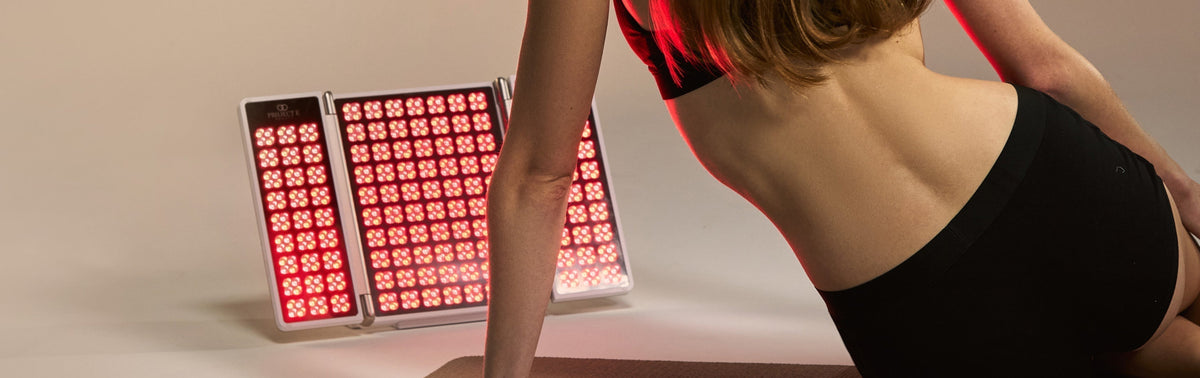
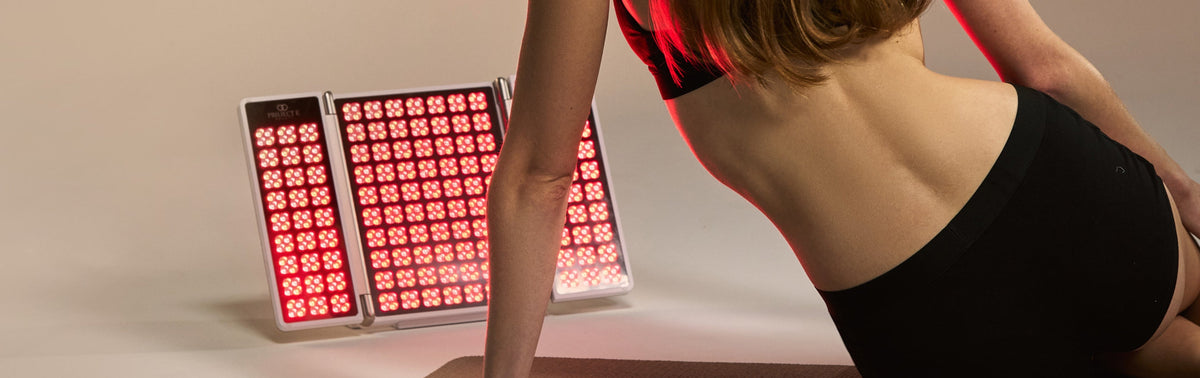
Red light therapy wearables encompass any device users can fasten to the treatment area and use hands-free, such as red light therapy helmets or red light therapy masks, including the LumaLux Pro LED Red Light Therapy Mask, LumaLux Neck and Dec Mask and LumaLux Face+. Whereas stationary devices require wearers to remain still during the treatment - think red light therapy panels like the Alora Age Renewal LED Panel and the LumaLux Dome, or red light therapy beds.
Aside from the design, and how the RLT device is used, how the light is delivered through stationary and wearable RLT devices also differs. The Skin Investment Clinic Clinical Lead details: “Panels treat larger areas from a short distance and usually offer greater coverage, beds offer the greatest body coverage, while masks and wraps sit on, or close to, a defined area, and minimise the distance between LEDs and skin.”
However, “contact does not make skin absorb light better”, says Dr. Imran. He adds: “Absorption depends on wavelength and tissue properties, while the fit and LED positioning determine how evenly a wearable delivers its light.”
Ultimately, the efficacy of an RLT device, whether it is a wearable or stationary design, is not dependent on the format, rather the wavelength, irradiance, treatment time, dose and consistency of use.
Which type of red light therapy is most effective?
Dr. Imran reassures us that “no format is universally best”, and the best RLT device depends on your concerns, treatment area, and needs.
Dr. Imran shares: “A wearable may suit the face and be easier to use consistently, while a panel or bed is more practical for larger areas. The best device delivers an appropriate, reproducible dose to the area you want to treat.” Efficacy relies on the wavelength, irradiance, treatment time, dose and consistency of use.
What should you consider when buying a red light device?
It is vital you purchase a red light therapy device that has been FDA-certified, and purchased from a trusted retailer.
Dr. Imran also suggests checking the “wavelengths, the irradiance at a stated distance, the treatment time, the coverage, the safety instructions and any credible evidence for that device or comparable parameters.” He adds: “Power density alone does not tell the whole story, and more is not automatically better.” There are several factors to consider when buying a red light device.
What are the benefits and drawbacks of RLT panels?

According to the expert, LED light therapy panels, such as the Alora Age Renewal LED Panel, are ideal for those wanting to treat the face, neck, chest or body from a short distance.
Highlighting the drawbacks to red light therapy panels, Dr. Imran says: “Irradiance at the skin changes with distance, plus they take up space, and require you to stay positioned in front of them.”
What are the benefits and drawbacks of RLT beds?
The Consultant Dermatologist acknowledges that red light therapy beds or blankets offer a whole-body treatment, which may be more convenient for those who want to target several areas at once. However, he notes these models can be “large, expensive, and unnecessary if you only want to treat your face.”
What are the benefits and drawbacks of RLT wearables?
Red light therapy wearables are typically the most popular at-home RLT device, particularly the LumaLux Pro LED Red Light Therapy Mask, LumaLux Neck and Dec Mask and LumaLux Face+. These portable designs are “convenient”, and easier to incorporate regularly into your beauty routine.
However, Dr. Imran suggests that the coverage and fit may be a drawback. “Gaps or uneven contact in a flexible mask or wrap can affect how uniformly the light is delivered”, he adds.
How to incorporate red light therapy into your wellness routine?

Firstly, it is vital users follow the manufacturer’s recommended use, duration and frequency when using a RLT device at home. It is often recommended that customers use on clean and dry skin, avoid looking directly at the LED lights, and use two to three times a week, but start slowly. Dr. Imran supports that “consistency matters more than excessive treatment”, so take care not to overdo your RLT treatment.
The founder emphasises that at-home RLT should not replace prescribed therapy, or medical support from a professional.
What are the downsides of RLT?
While red light therapy is a non-invasive treatment and generally considered safe to use, some may notice some side effects, such as “temporary redness, warmth, dryness, irritation or headaches”, shares Dr. Imran.
The professional also warns: “Near-infrared light is invisible, so do not judge eye exposure by brightness, and follow the manufacturer’s eye-safety advice, which also applies to any blue light setting.”
When asked who should avoid RLT, Dr. Imran suggests: “Anyone with a photosensitive condition, taking potentially photosensitising medication, or with an undiagnosed or suspicious skin lesion should check with a clinician first.”

Alora | Age Renewal LED Light Therapy Panel
Target up to 5 skin layers with advanced blue, infrared and red light therapy contour panel

LumaLux Face | Pro LED Red Light Therapy Mask
Our most advanced LED mask for deeper skin renewal - fine lines, acne, hyperpigmentation, skin texture



留言
此網站已受到 hCaptcha 保護,且適用 hCaptcha 隱私政策以及服務條款。